A historic Provençal estate with five hectares, a natural spring and open countryside views.
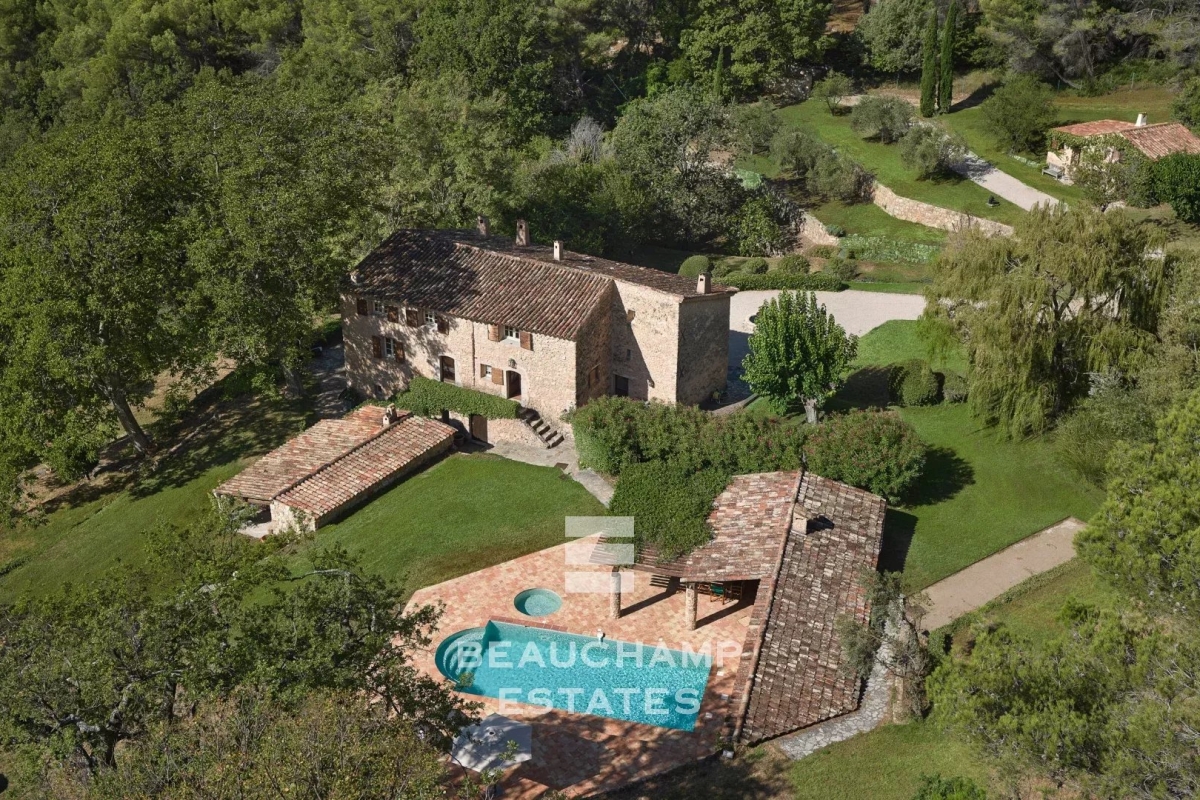
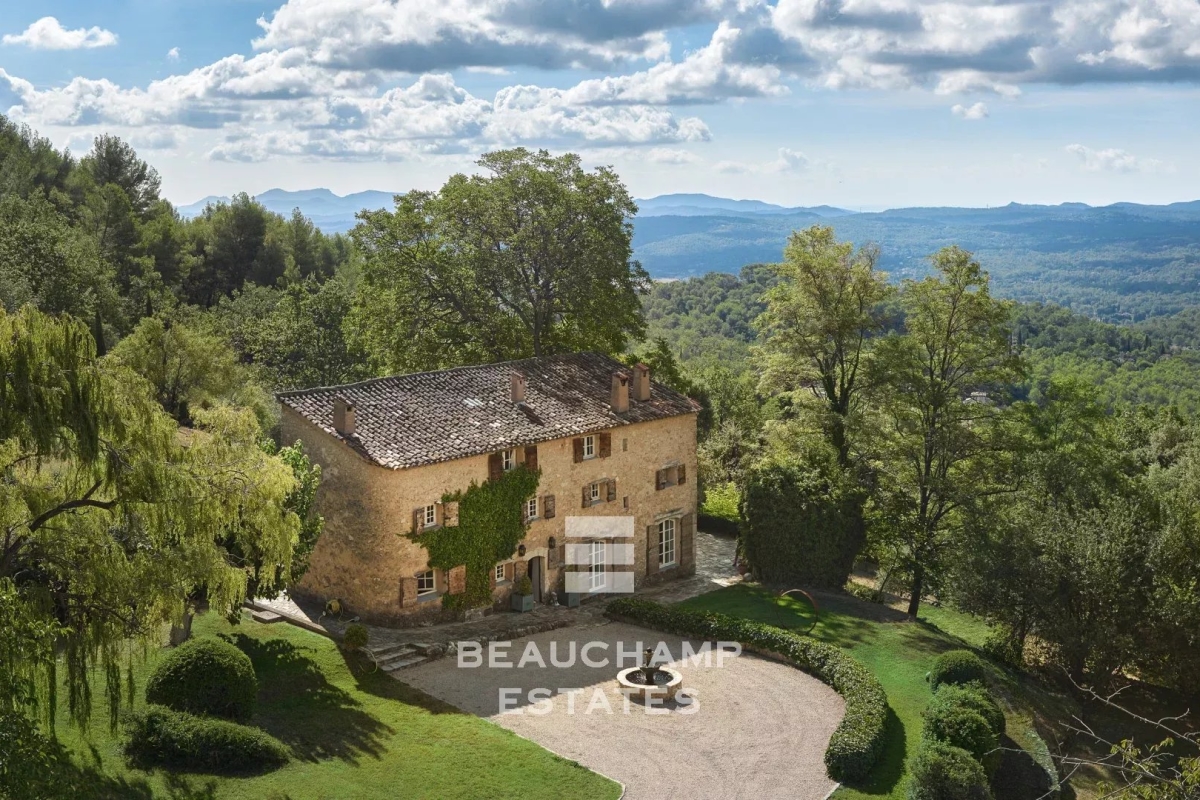
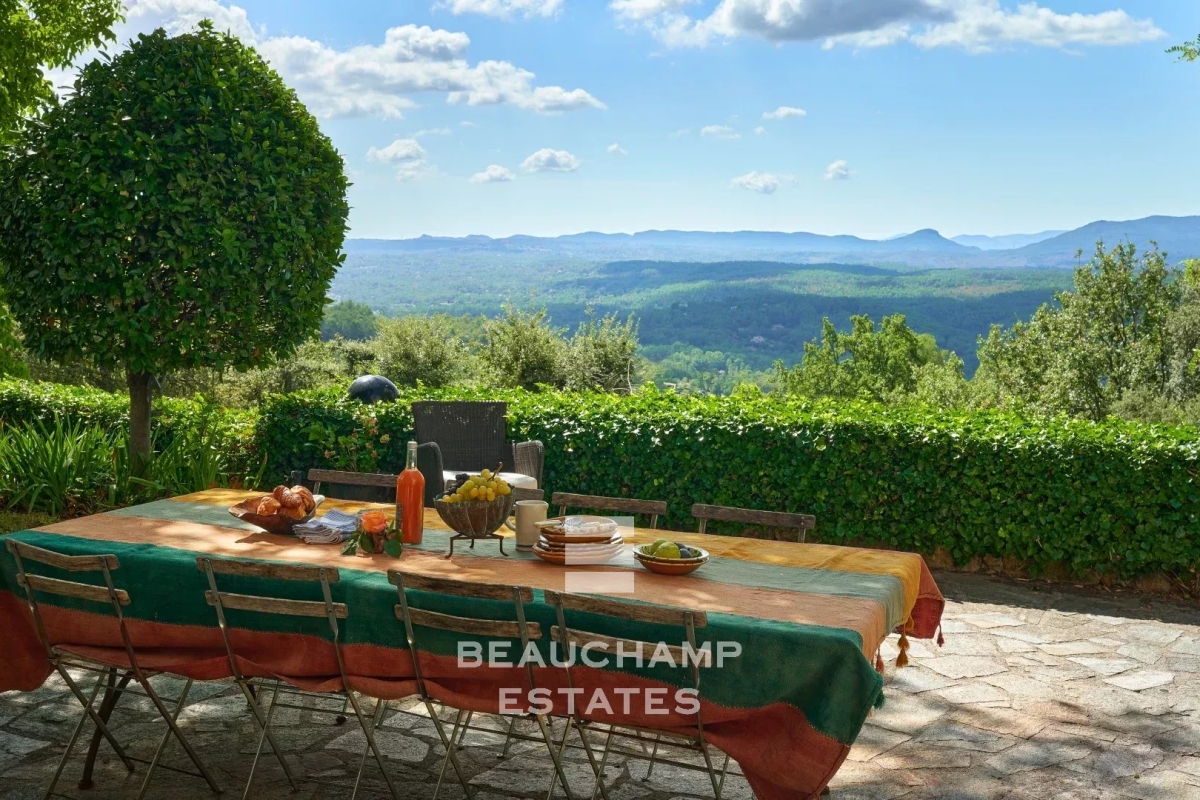
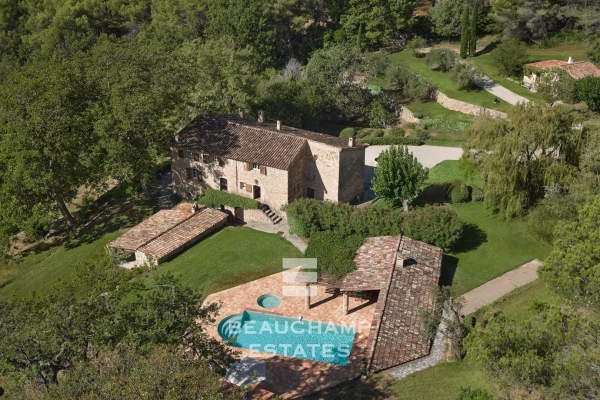
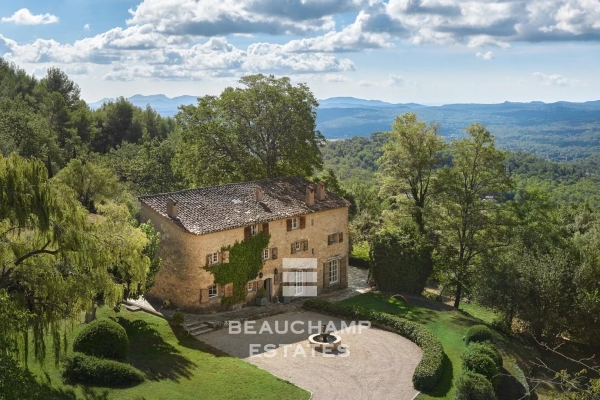
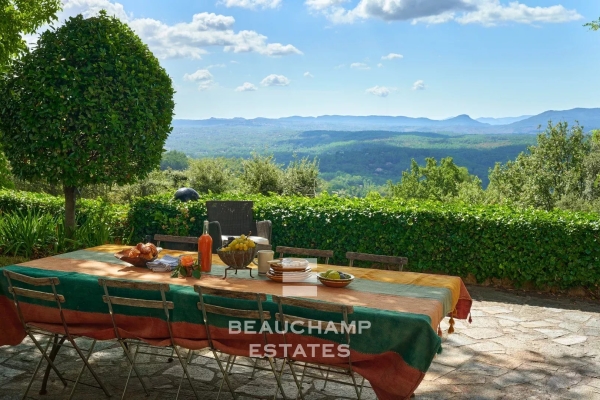
Between Fayence and Seillans, La Grande Bastide de Seillans sits approximately 487 metres above the Mediterranean sea, looking out across the Provençal countryside. Its five hectares bring together a centuries-old bastide, a separate guest house, olive trees and orchards, with views that change as the light moves across the hills.
The estate's character comes from its long relationship with the land. A natural spring, the remains of a 12th-century building and successive additions to the house trace a history of cultivation and habitation that is still visible today.
A house shaped over centuries
The oldest part of the bastide dates from the 16th century, when it was built as an agricultural barn with living accommodation above. Additions in the 17th and 18th centuries gradually formed the substantial residence that stands today.
Renovation has introduced modern comforts while retaining the stonework, proportions and rustic character of the original buildings. The different periods of construction give the house its individuality, with each contributing to the way it looks and feels.
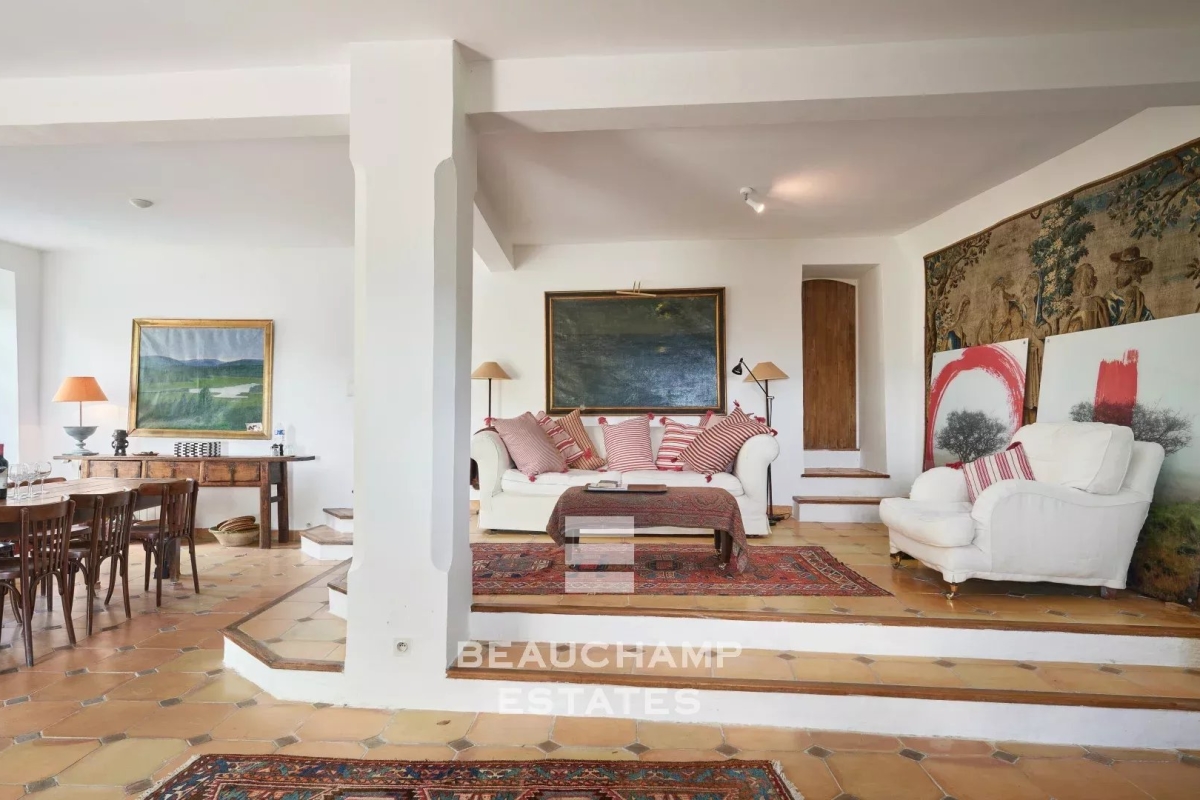
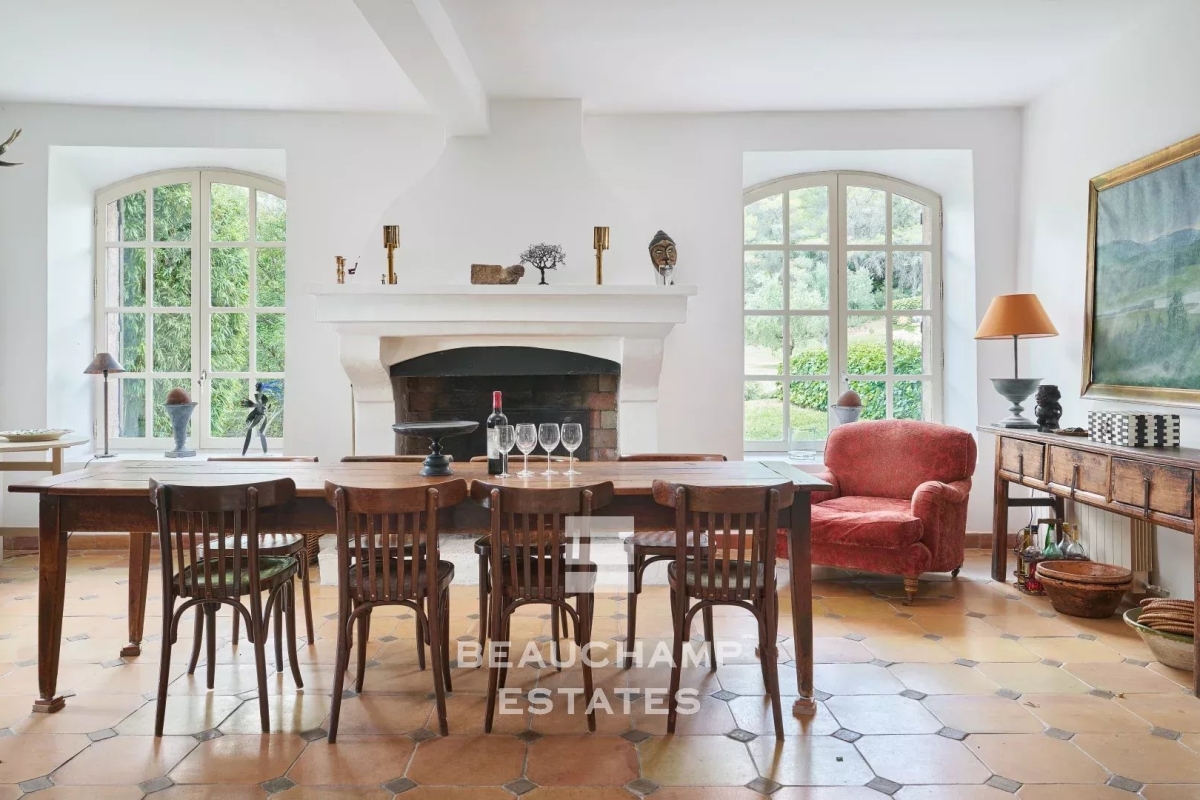
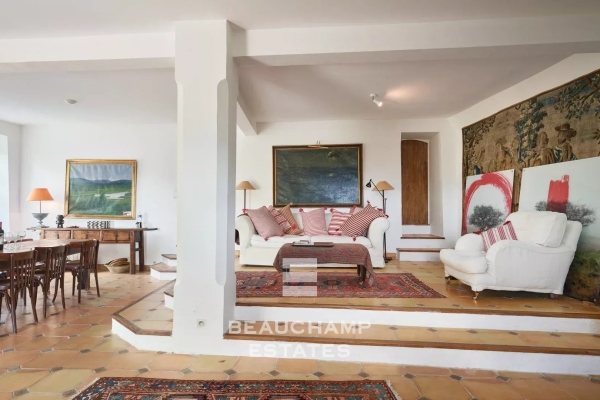
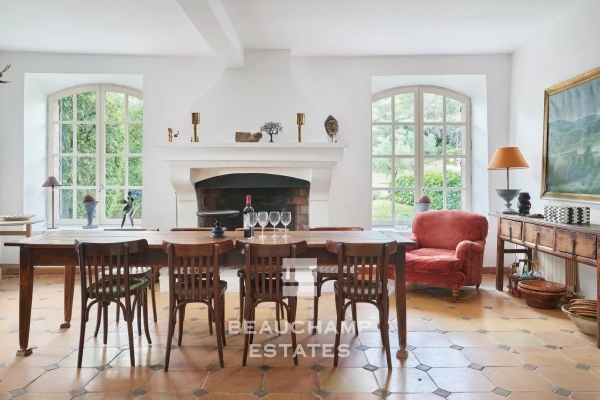
Two reception rooms, each with an open fireplace, provide space to gather in the cooler months. A separate dining hall, wine cellar and laundry facilities complete the shared accommodation. Six bedrooms, each with its own bathroom or shower room, allow family and guests their own space.
A spring at the heart of the estate
A natural spring is one of the property's defining features, with a reported flow of approximately 750 litres an hour. Historically, this water source helped sustain the estate and its productive grounds.
The remains of a 12th-century building survive within the estate, tracing its history back several centuries before the construction of the bastide. Together, the spring, ruin and later buildings reveal how the property has evolved over time.
Olive trees, orchards and birdlife
Around 50 olive trees grow within the grounds, alongside cherries, figs, mulberries, walnuts, mirabelles, almonds and lemons, with blackberries also found on the estate.
These productive gardens retain the character of a household that once drew much of what it needed from its own land. The changing harvests give the grounds a seasonal rhythm, from cherries to olives.
A pond of approximately 100 m², home to koi carp, adds another point of interest within the gardens.
Birdlife is another part of the setting. Ornithologists have visited to observe the birds found here, an aspect of the estate that may hold particular interest for those who enjoy spending time in nature.
Space for summer living
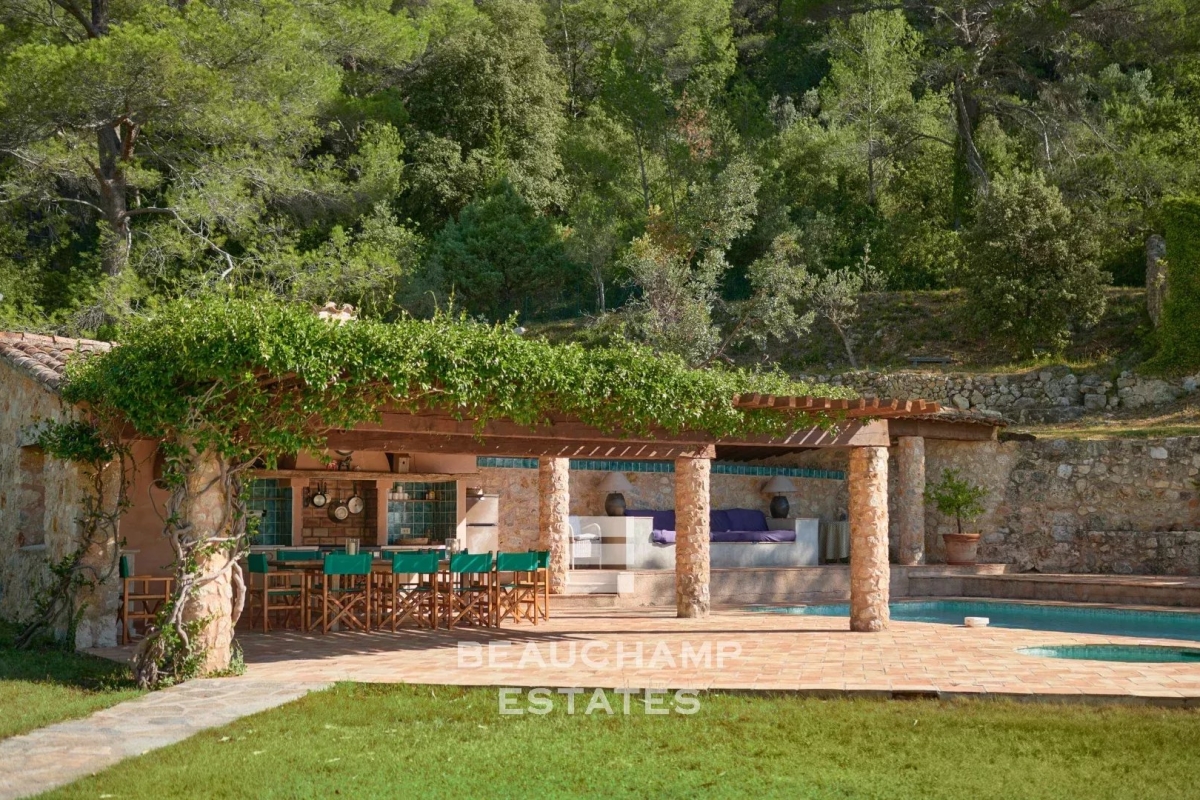
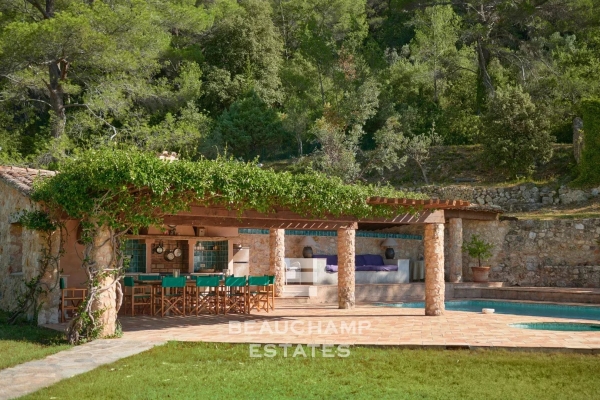
A summer kitchen makes meals outdoors part of everyday life, with room for lunches that extend into the afternoon and evenings around the table.
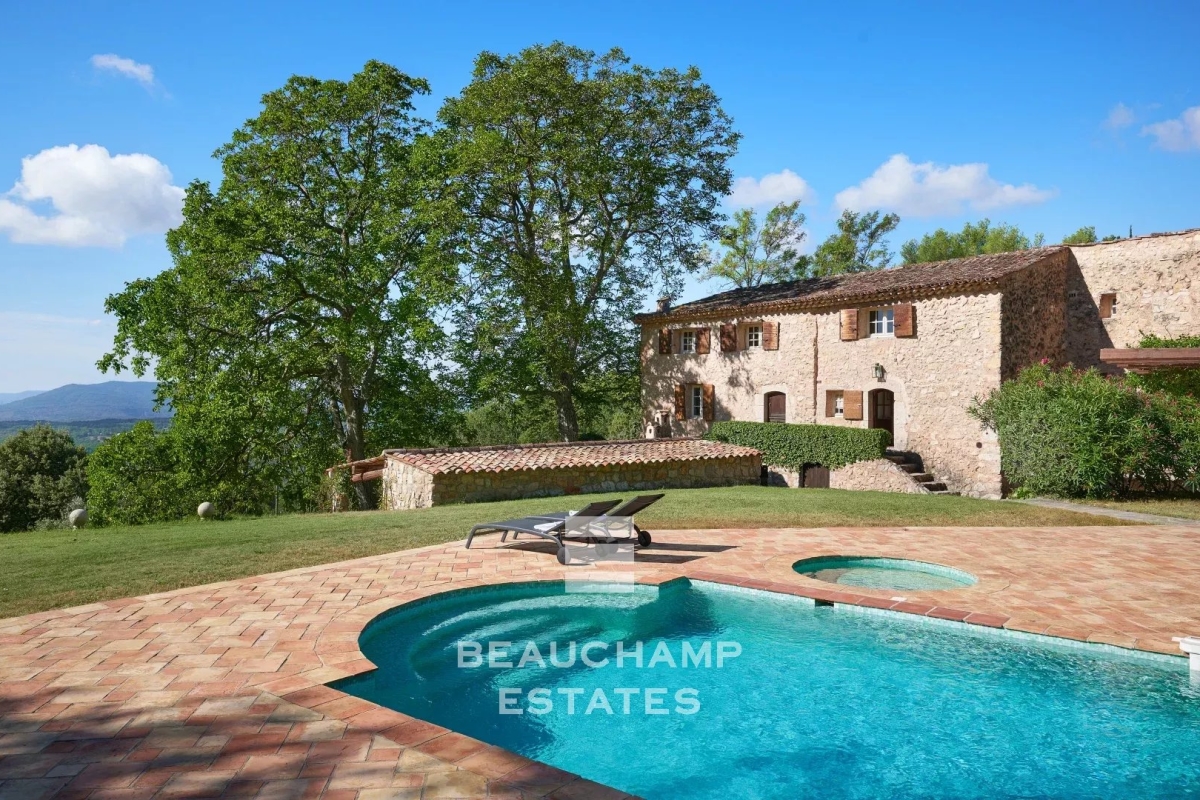
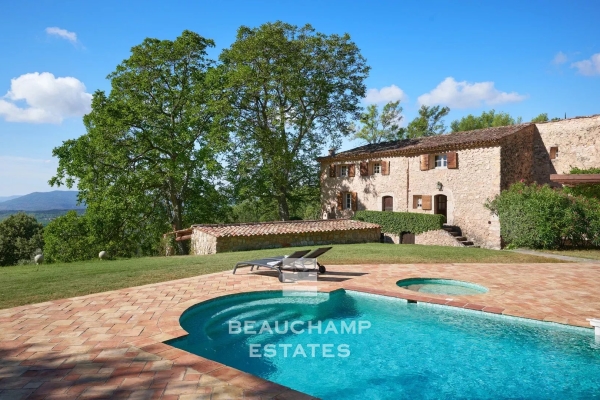
The grounds include a 4 × 9 metre swimming pool and a smaller circular pool. Between the house, gardens and open views, there are different ways to spend the day, whether swimming, gathering with friends or finding a quiet place to sit.
A two-car garage provides enclosed parking.
An independent guest house with its own history
The separate 18th-century guest house includes two bedrooms, a shower room and a combined kitchen and living room. It offers visitors independence while keeping them within the estate.
The wartime history supplied with the property describes its use as a clandestine partisan radio station during the Second World War, before it was burned by German forces in late 1944. This chapter deserves to be understood alongside the estate's much longer agricultural history.
A small former building used for pigs and hens also survives, preserving a more everyday reminder of how the property once functioned.
A continuing Provençal story
La Grande Bastide de Seillans brings the history of a country estate into daily life: reception rooms centred on open fireplaces, a separate h



INFORMATION
Legal references
Characteristics

Main rooms : 8
Air conditioner
Energy and Risks